
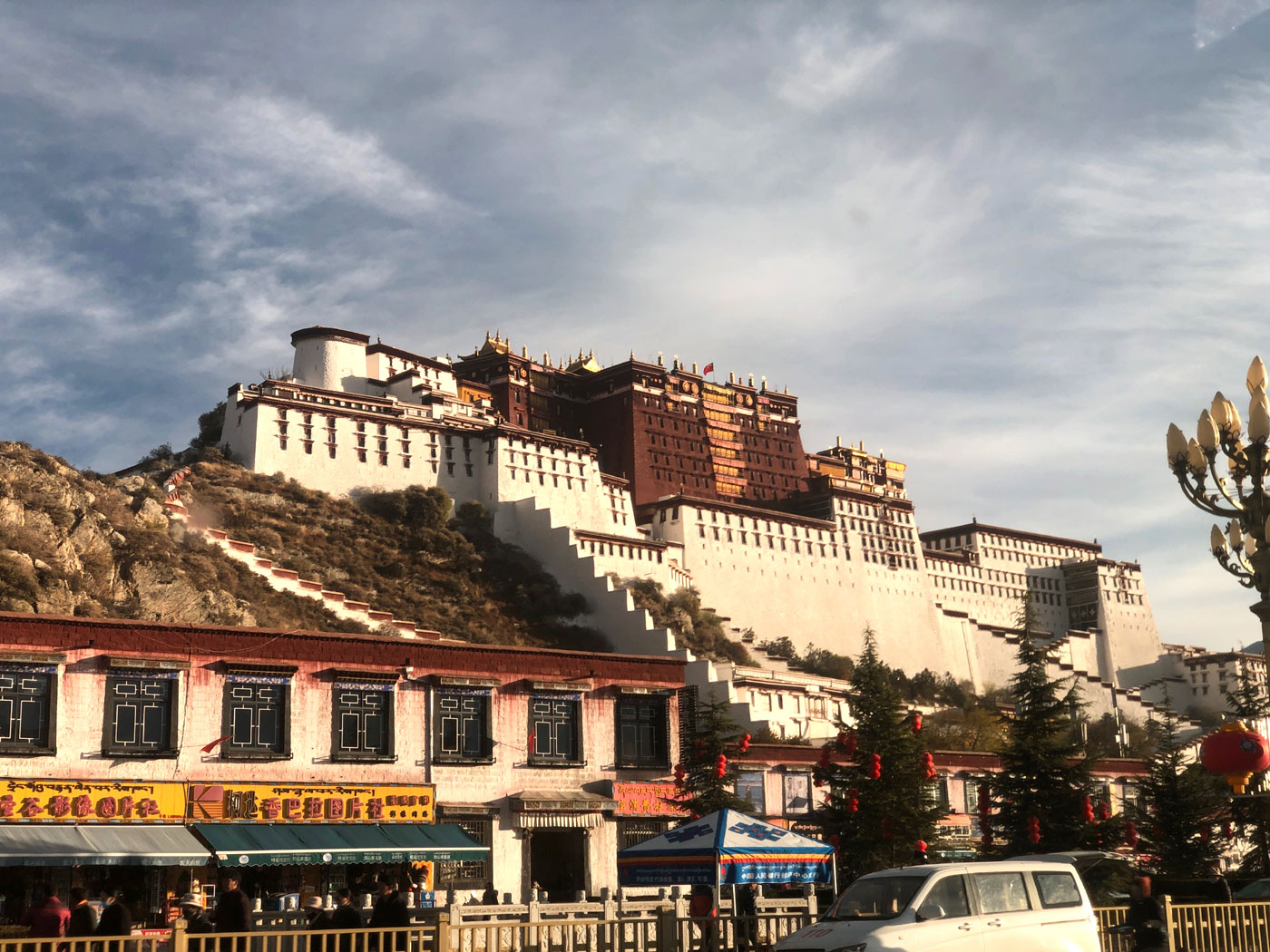
Majestic Potala Palace and Tibetan Spirituality
In the heart of Lhasa, the capital city of Tibet stands a monumental structure that embodies the essence of Tibetan culture, history, and spirituality—the Potala Palace. With its grandeur, architectural splendor, and deep-rooted significance, the Potala Palace has become an iconic symbol of Tibet and a revered pilgrimage site for Buddhists worldwide. The majestic Potala Palace iand Tibetan Spirituality go hand in hand. Join us as we embark on a virtual journey to explore the captivating allure and spiritual significance of this remarkable palace.
The palace was built in the 7th century by Songtsen Gampo, the first king of unified Tibet. It was originally a small fortress, but it was expanded and renovated several times over the centuries. The palace reached its current size and splendor in the 17th century, during the reign of the 5th Dalai Lama.
The Potala Palace is a vast complex that covers over 130,000 square meters. It is divided into two parts: the White Palace and the Red Palace. The White Palace was the seat of the Tibetan government and the residence of the Dalai Lamas. The Red Palace is a religious complex that houses temples, chapels, and monasteries.
The Potala Palace is a treasure trove of Tibetan art and culture. It contains thousands of religious paintings, sculptures, and manuscripts. The palace is also home to the tombs of 13 Dalai Lamas.
The Potala Palace is a sacred place for Tibetan Buddhists. It is a symbol of the Dalai Lama's authority and the Tibetan people's spiritual heritage. The palace is also a popular tourist destination and is one of the most visited places in Tibet.
If you are planning a trip to Tibet, be sure to visit the Potala Palace. It is a truly awe-inspiring sight and a must-see for any visitor to Tibet.
A Historic and Spiritual Haven:
Rising majestically on Red Hill, the Potala Palace is a UNESCO World Heritage Site and an architectural marvel that showcases the unique blend of Tibetan, Han, and Indian architectural styles. Originally constructed in the 7th century, the palace served as the winter residence of the Dalai Lamas, the spiritual leaders of Tibet. It houses numerous chapels, prayer rooms, libraries, and living quarters, making it a treasure trove of Tibetan Buddhist art, scriptures, and relics.
Symbolism and Sacred Significance:
The Potala Palace holds immense religious and cultural significance for Tibetan Buddhists. Its name, "Potala," is derived from the legendary Mount Potalaka, the dwelling place of Avalokiteshvara, the bodhisattva of compassion. The palace stands as a testament to Tibetan Buddhism's rich heritage and the Dalai Lama's spiritual authority. Its towering white walls and golden roofs symbolize purity and enlightenment, while the ornate decorations and intricate murals depict Tibetan Buddhist cosmology and mythology.
Architectural Marvel:
The Potala Palace's grand architecture is a visual feast that leaves visitors spellbound. The palace complex consists of two main parts—the Red Palace and the White Palace. The Red Palace houses numerous sacred chapels and shrines, including the revered Stupa of the Fifth Dalai Lama. The White Palace served as the administrative center, with its halls, offices, and living quarters. The palace's intricate artwork, colorful frescoes, and detailed carvings are a testament to the skilled craftsmanship of Tibetan artisans.
A Journey of Faith:
Visiting the Potala Palace is not just an architectural pilgrimage but a spiritual journey. As you ascend the palace steps, you immerse yourself in the ethereal atmosphere and connect with centuries of devotion and wisdom. The sound of prayer wheels spinning and monks chanting prayers adds to the ambiance, fostering a sense of inner peace and tranquility. The panoramic view of Lhasa from the palace's upper levels is awe-inspiring, allowing visitors to appreciate the natural beauty that surrounds this sacred site.
Preserving Tibetan Heritage:
The preservation and restoration of the Potala Palace have been ongoing efforts to safeguard Tibetan cultural heritage. The Chinese government, recognizing its significance, has taken measures to maintain the palace's structural integrity and ensure its accessibility to visitors from around the world. The palace now serves as a museum, offering glimpses into Tibet's rich history, art, and religious traditions.
Here are some tips for visiting the Potala Palace:
- The best time to visit is April to November when the weather is good.
- The palace is open from 9:30am to 2pm.
- There is a small entrance fee to the palace (RMB 100-200, depends on tourism seasons).
- Be respectful of the monks and other visitors.
Conclusion:
The Potala Palace stands as a testament to the indomitable spirit of Tibetan Buddhism and the rich cultural heritage of Tibet. Its towering presence, breathtaking architecture, and spiritual ambiance create an experience that transcends time and space. As you explore the sacred halls and witness the devotion of pilgrims, you become part of a narrative that spans centuries. The Potala Palace beckons travelers seeking spiritual enlightenment, cultural immersion, and a deep connection to the heart of Tibet. Let its grandeur and sacredness inspire you on a journey that will leave an indelible mark on your soul.
Comments
Recent Posts
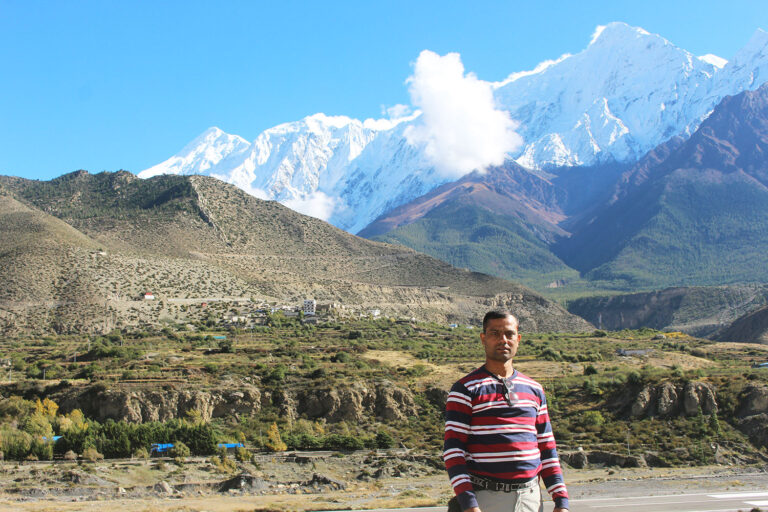
Upper Mustang Tour 4WD Drive vs Trekking
Are you someone who loves to travel and is on the lookout for an exciting new adventure? Well, look no further than the appealing region of Upper Mustang in Nepal. This hidden gem is nestled amidst the stunning Himalayas and offers a perfect blend of breathtaking landscapes, rich culture, and thrilling exploration opportunities. As you gear up for this journey, you’ll face two important decisions. Firstly, you’ll need to choose between two ways to explore the Upper Mustang tour using a 4WD drive or trekking. Secondly, you’ll need to decide how to get to Jomsom from Pokhara: by taking a flight or by driving. Let’s guide you through these choices Upper Mustang Tour 4WD Drive vs Trekking to make sure your adventure is unforgettable.
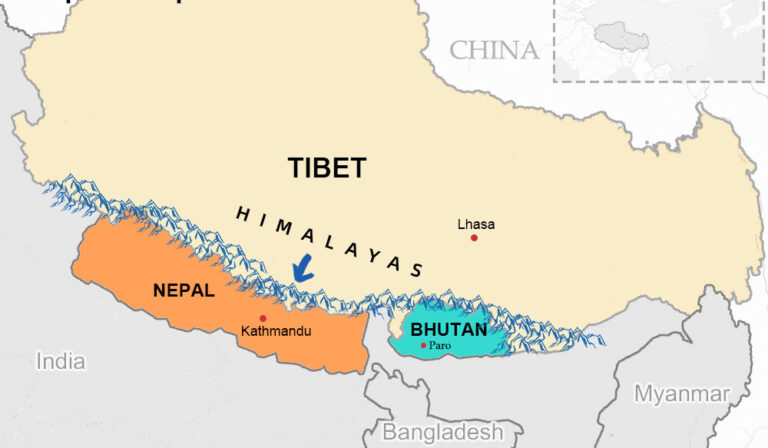
Nepal Bhutan Tour vs Nepal Tibet Tour
Nepal Bhutan Tour vs Nepal Tibet Tour are both fascinating options for travelers seeking diversity. These tours take you through these destinations rich in culture and natural beauty, attracting visitors from all over the world. Each destination offers fabulous landscapes and a blend of cultural and natural heritage. To make your decision easier, we’ve provided detailed answers to common questions that can help you choose the tour that suits your preferences, or even both if you wish.
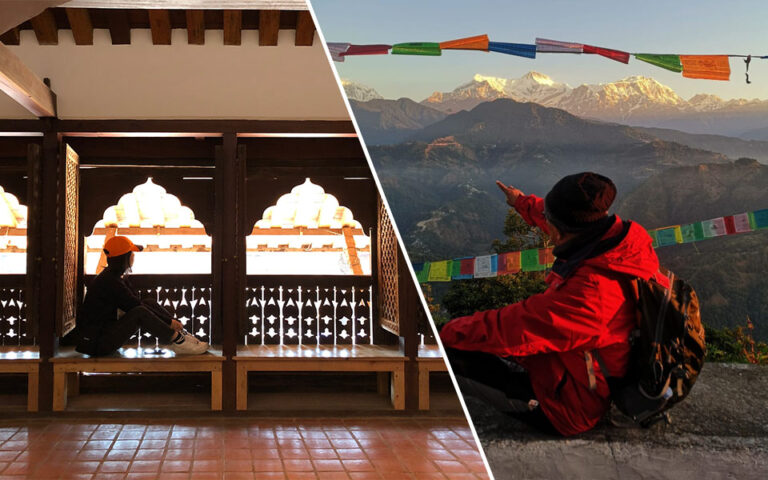
City Tour vs Mountain Trekking in Nepal
Nepal boasts myriad destinations for both city tours and mountain trekking in Nepal. Nepal, popular as the country of Mount Everest and the birthplace of Gautam Buddha is an ideal destination for all types of travelers. Mountain trekking is there for travelers seeking a peaceful and adventurous journey while City Tours is there for travelers seeking a short getaway and exploring cultural attractions. Both city tours and mountain trekking in Nepal are perfect for travelers looking to spend some quality time with their loved ones or dear ones away from the hustle and bustle of their daily lives. Here, we present you this article highlighting City Tour vs Mountain Trekking in Nepal, helping you gain insights and plan a smooth trip to this remarkable country.