
+977-9851053024 WhatsApp/Viber
info@everestvacations.com
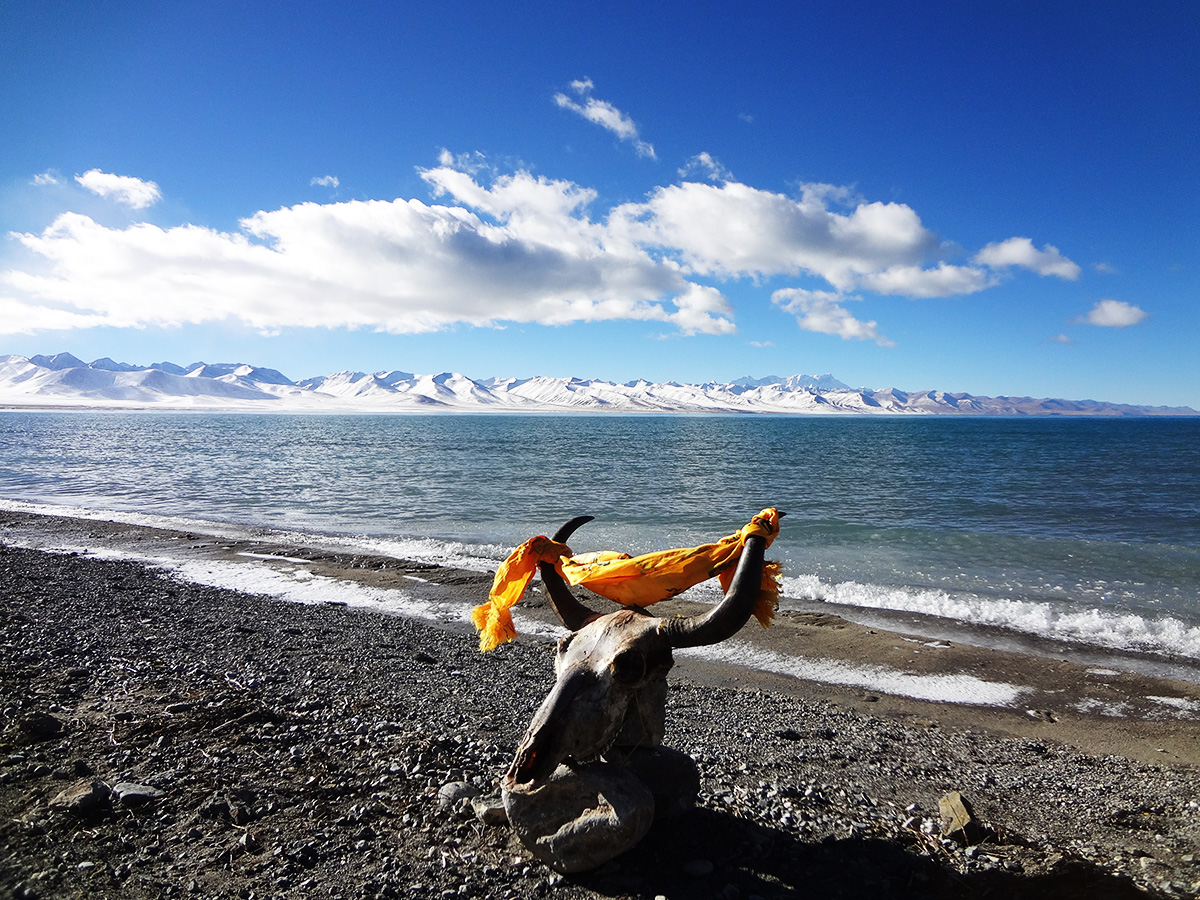
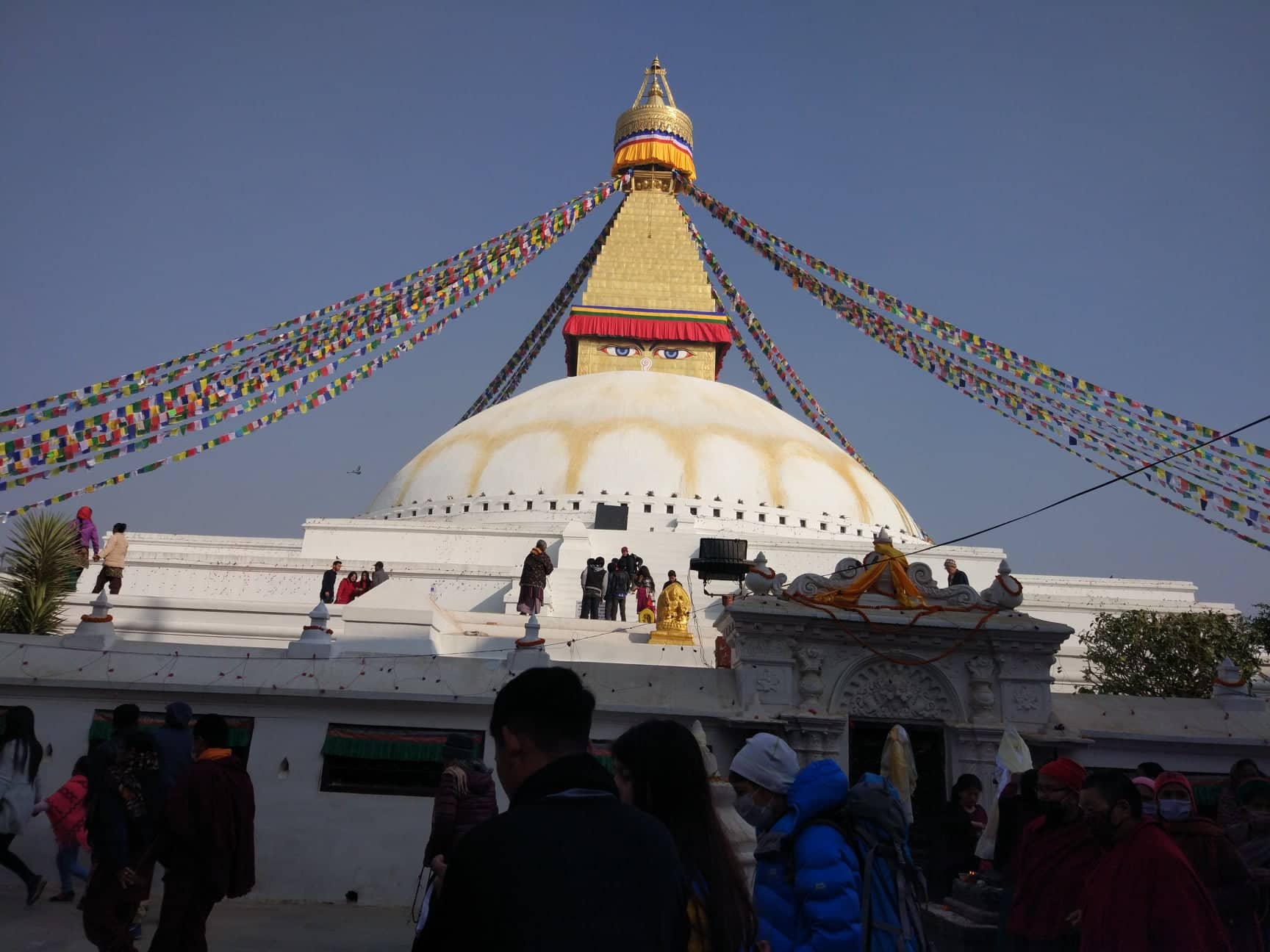
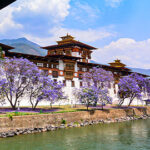
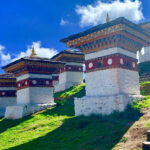
The combined tours of magical destinations Bhutan and Tibet treat visitors with their cultural and natural diversity. Buddhism is highly practiced in these destinations and several monuments, and cultural monasteries are prime attractions. The spiritual significance is high in both destinations and visitors can feel peaceful while exploring these destinations. The unique heritage, remote landscapes, towering snow-covered mountains including Everest, serene lakes, vast grasslands, and the indomitable spirit of its people in Tibet make it an attractive and unmissed destination. Likewise, stunning Himalayan ranges, cultural heritages, impressive architectural landmarks, green valleys, and friendly and ever-smiling Bhutanese make Bhutan a top destination among visitors.
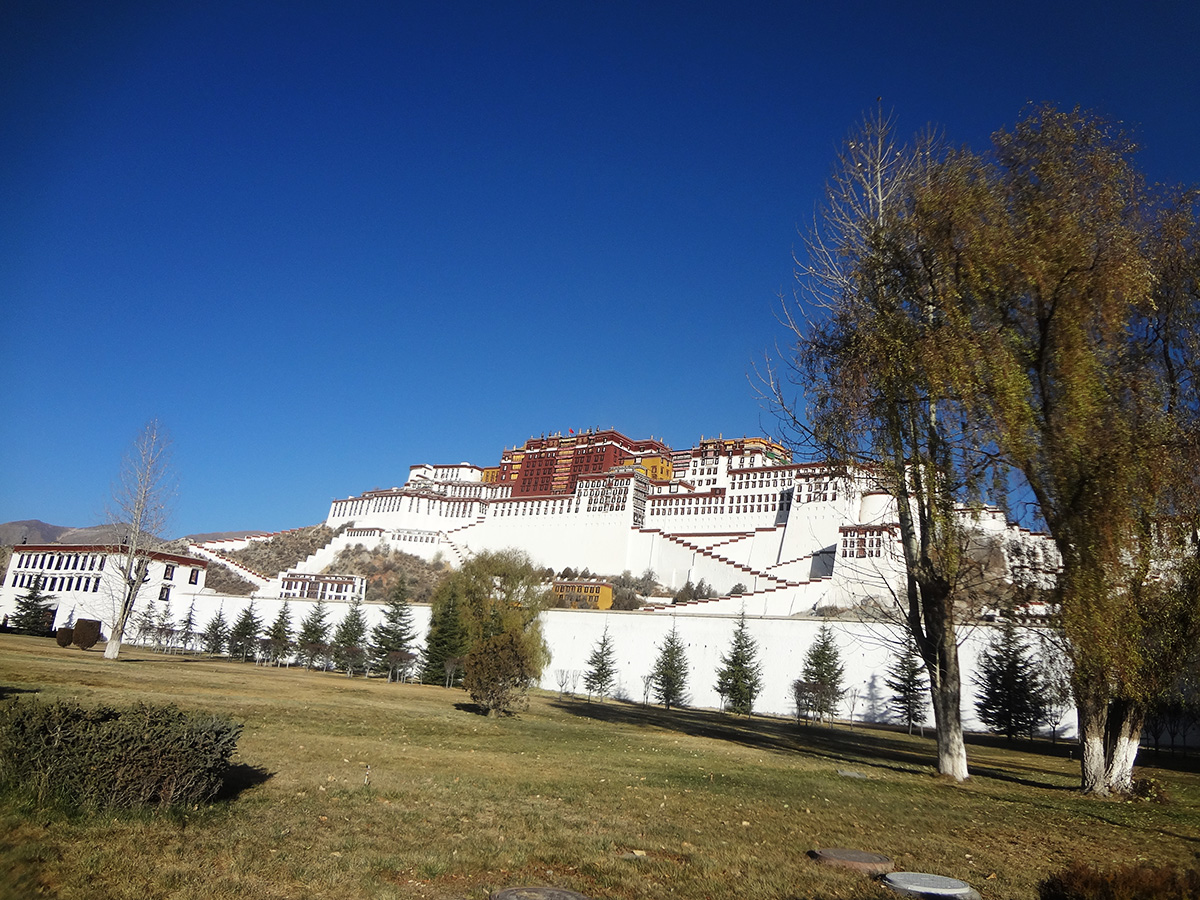
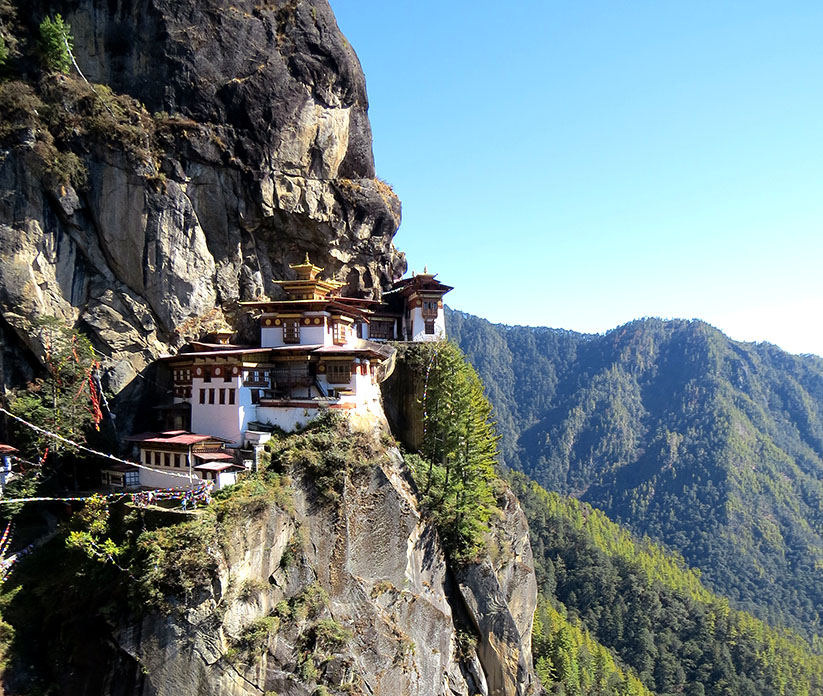
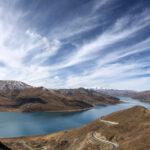
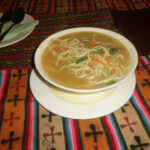
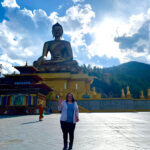
Tibet is popular as ‘The Roof of the World’ while Bhutan is renowned as the ‘Land of Thunder Dragon’. Ancient fortresses and monasteries, fascinating architecture, unique traditional festivals, cultural richness, and cultural dresses add value to these destinations. Potala Palace, Drepung Monastery, Norbulingka Palace, Yamdruk Lake, Rongbuk Monastery, etc. are major attractions in Tibet. Bhutan is also rich in its monuments and landmarks like Tiger’s Nest Monastery, Chhimi Lhakhang Temple, Dzongs, Buddha Dordenma Statue, etc. Visitors must try unique and authentic delicious foods in both destinations. They are the identity of these destinations. With good scenic views, try some yummy meals and capture them in your tour memories of the combined Bhutan and Tibet tours. Visitors have the flexibility to choose an overland or flight tour as their preference. Connect with us for an unforgettable Bhutan and Tibet tours.
What are China’s mainland cities for Tibet tour?
Chengdu, Beijing, Chongqing, Xian, Xining, Kunming, Shanghai, Mian Yang, Zhengzhou, Shi Quan He, Wuhan, Wanxian, Luzhou, Bangda, Changsha, Diqing, Golmud, etc.
We have several Bhutan and Tibet tour packages with various durations (3-15 days) that are perfectly flexible and customizable to your choices of accommodations and monuments/landmarks visit. You just need to provide us with your preferred travel time, available duration, number of travelers, preferred hotels, interested monuments, travel days in each destination, etc. With the provided information, we will prepare a suitable itinerary that mostly aligns with your choices and calculate the total cost. It is best to travel between April to November in both destinations as these months offer phenomenal views with stable weather and temperature. Both Bhutan and Tibet tours are expensive due to the high transportation costs in Tibet and government SDF fee (USD 100 per person per night) in Bhutan. We only operate private tours for the personalized service which means there is no group joining. Suggested Tibet and Bhutan tour packages are as follows with travel routes and place to visits:
Route: Fly to Lhasa from the city of China, Lhasa to Kathmandu (By flight or drive), Kathmandu to Paro (Bhutan), Paro to next destination
Route: Fly from China mainland to Lhasa, Lhasa to Everest Base Camp (Rongbuk Monastery) to Kathmandu by drive, Kathmandu to Paro, Paro to next destination
Route: Fly from Bangkok/Kathmandu/New Delhi to Bhutan, Bhutan to Kathmandu (Nepal), Kathmandu to Chengdu, Chengdu to Lhasa, Lhasa to next destination via China mainland
Route: Fly to Kathmandu (Connecting flight available from worldwide), Apply for Tibet group visa and Kathmandu Tour, after getting Tibet visa, Kathmandu to Bhutan flight, Bhutan to Kathmandu, Kathmandu to Lhasa (by flight/drive), Lhasa to next destination
Route: Fly to Kathmandu(Connecting flight available from worldwide), Kathmandu to Paro(Bhutan), Paro to Kathmandu, Apply for Tibet group visa and Kathmandu Tour, after getting Tibet visa, drive from Kathmandu to Rongbuk Monastery (Everest base camp) to Lhasa, and flight from Lhasa to next destination
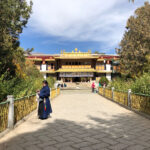
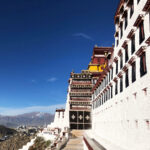
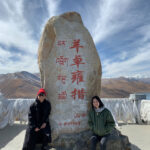
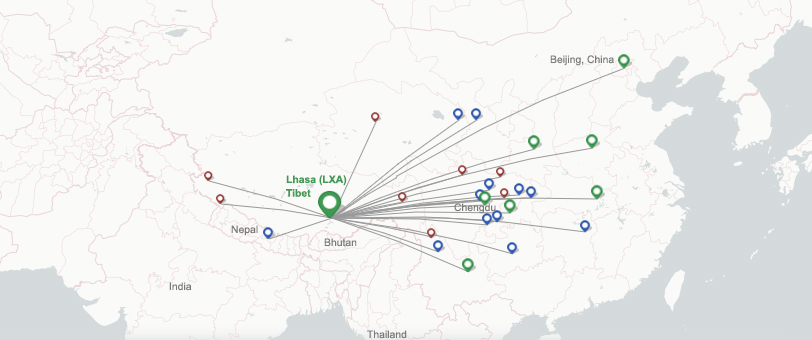
We offer short tours for Chengdu, Beijing, Xining, and various mainland cities in China for those planning to reach Tibet via the Chinese mainland. It’s essential to bring your China visa from your home. We will provide you required Tibet travel permit to fly or take a train to Lhasa (Tibet) from any city in China where you land.
There are mainly 3 options to go to Tibet from Kathmandu (Nepal) and are as follows:
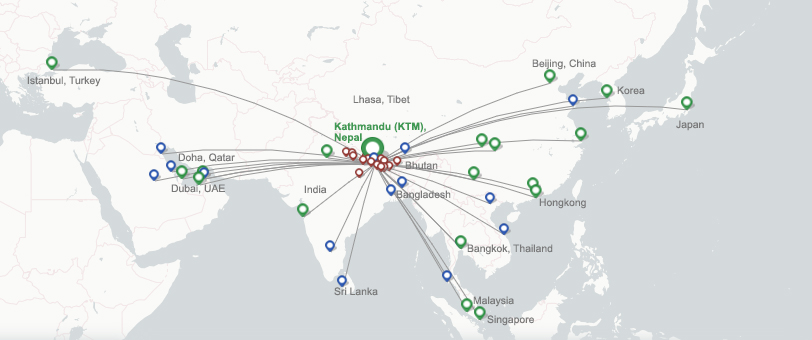
We offer short tours in Kathmandu and surrounding while applying your Tibet visa in China embassy of Kathmandu. We offer helicopter tours to Mt. Everest, world heritage sites in Kathmandu, Pokhara, Chitwan National Park etc.
Tibet:
Bhutan:
Nepal:
Updated: Feb 16, 2026
Great! Himalaya Airlines starts upto 4 flights per week from Kathmandu(Nepal) to Lhasa(Tibet).
| Month | Sector | Departure | Arrival | Days of operation |
| Feb & Mar 2026 | KTM-LXA | 08:30 | 12:05 | Mon & Fri |
| Feb & Mar 2026 | LXA-KTM | 13:15 | 12:40 | Tue & Fri |
| Apr 2026 | KTM-LXA | 08:30 | 12:05 | Mon & Fri |
| Apr 2026 | LXA-KTM | 13:15 | 12:40 | Mon & Fri |
| May 2026 | KTM-LXA | 08:30 | 12:05 | Mon, Thu & Fri |
| May 2026 | LXA-KTM | 13:15 | 12:40 | Mon, Thu & Fri |
| Jun–Sep 2026 | KTM-LXA | 08:30 | 12:05 | Mon, Tue, Thu & Fri |
| Jun–Sep 2026 | LXA-KTM | 13:15 | 12:40 | Mon, Tue, Thu & Fri |
| Oct 2026 (till 23 Oct) | KTM-LXA | 08:30 | 12:05 | Mon, Thu & Fri |
| Oct 2026 (till 23 Oct) | LXA-KTM | 13:15 | 12:40 | Mon, Thu & Fri |
If not matched flight with your travel date, there are other tour options such as overland or driving tours.
China has decided to trial a unilateral visa-free program, alongside the promotion of Summer Holiday & Autumn China or Tibet tour packages for 2026.
No need visa to visit China or Tibet for the nationalities of UK, Canada, France, Germany, Italy, the Netherlands, Spain, Austria, Belgium, Hungary, Ireland, Luxembourg, Switzerland, Poland, Andorra, Portugal, Greece, Cyprus, Slovenia, Slovakia, Norway, Finland, Denmark, Iceland, Monaco, Liechtenstein, Bulgaria, Romania, Malta, Croatia, Montenegro, North Macedonia, Estonia, Latvia, Georgia, Sweden, Russia, Brunei, Thailand, Korea, Japan, Malaysia, Singapore, New Zealand, and Australia, Brazil, Argentina, Chile, Peru and Uruguay, Kuwait, Saudi Arabia, Oman and Bahrain until December 2026. Also, there are already full visa exemptions for 26 other countries to enter China for up to 30 days: Albania, Belarus, Bosnia and Herzegovina, Serbia, San Marino, Mauritius, Seychelles, Maldives, Kazakhstan, Uzbekistan, the UAE, Qatar, Armenia, Fiji, Tonga, Solomon Islands, Antigua and Barbuda, Barbados, Dominica, Ecuador, Grenada, Bahamas, Suriname. (but this could change at any time, so again, confirm with embassy/counselor)
For Chinese Mainland
(From December 11th, 2023 to December 31st, 2026)
| Nationality | Group Visa Fees (NPR approx.) |
| Nepal | 11,100 |
| US | 25,100 |
| Canada | 15,900 |
| Serbia | 10,000 |
| Brazil | 20,200 |
| Israel | 11,900 |
| Argentina | 12,700 |
| Panama | 14,800 |
| Romania | 16,000 |
| Uruguay | 13,300 |
| Albania & Micronesia & BiH | 9,800 |
| Chile | 7,800 |
| Pakistan & Maldives | – |
| Other Countries | 12,700 |
For Tibet:
For Bhutan:
For Nepal:
Altitude sickness, also known as acute mountain sickness (AMS), is a common condition that can occur when people ascend/climb to high elevations without giving proper rest to the body. Altitude sickness is common at the high-altitudes. But, travelers must know the symptoms and preventions of altitude sickness.
Headache, nausea, shortness of breath, fatigue, and confusion. In some cases, AMS can be severe, and even life-threatening.
Tibet: As mentioned earlier, Tibet is on a high plateau and its elevation is higher compared to Nepal. It has an initial altitude at Lhasa of approx. 3650m from the sea level. So, we recommend you before visiting Tibet, get as fit and healthy as possible, both physically and mentally. It is advised that travelers having records of heart, lung, or other organ problems or anemia must consult their doctor before traveling to Tibet. If anyone planning to travel to Northern EBC, we advise you to spend at least 2-3 days in Lhasa city to acclimatize and adjust to the temperature. During the Tibet visit, we have the facility of oxygen cylinders for emergency and traveler’s safety.
Bhutan: Bhutan’s capital Thimphu is at an elevation of 2,320m. Altitude sickness is common above an elevation of 3,000m. During our Bhutan tours, we don’t go above an elevation of 3,000m except Tiger’s Nest Monastery (3,120m), and Dochu La Pass (3,100m). Most cities like Paro, Punakha, and Phobjikha are below an elevation of 2,500m, so getting altitude sickness is minimal. Also, mountain climbing is strictly prohibited in Bhutan. And our tour package only offers city tours in Bhutan. Our itinerary is designed properly including acclimatization adjustments. So, the excursion to Dochu La Pass is planned properly. We suggest hiking to Tiger’s Nest Monastery (Paro Taktsang) at the end of the tour as visitors would have adapted to the environment and it would be comfortable for them and hike at their own pace. Still, to prevent altitude sickness we recommend visitors stay hydrated, eat a balanced diet, ascend slowly, follow instructions strictly, and consult with a guide to clear doubts or confusion.
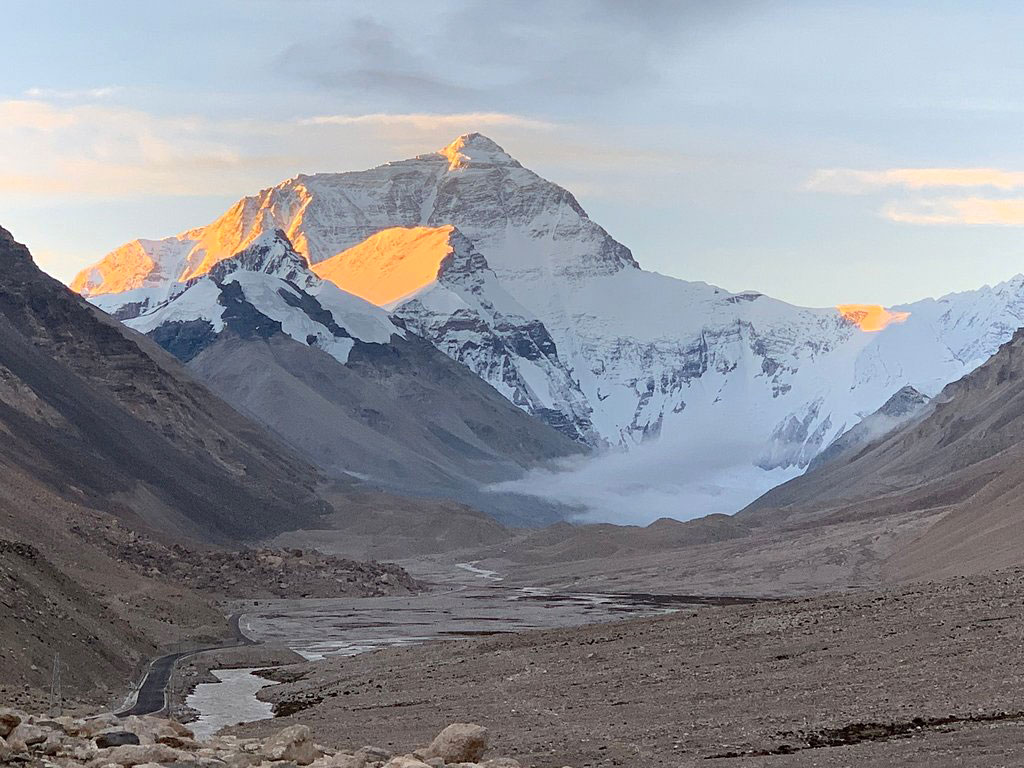
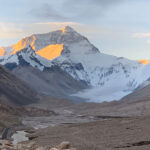
Rongbuk Monastery, at an elevation of 5,009 m, is one of the highest-situated monastery. It was built in 1902 AD by Lama Ngawang Tenzin. The monastery practices the Nyingma tradition of Tibetan Buddhism. One of the best places to get a view of the Northern face of the world’s highest Mt. Everest. It serves as an important spiritual center for meditation and Buddhist teachings, which displays its great cultural and religious significance. The monastery, with its traditional architecture, houses sacred relics, thangkas, statues, and ancient scriptures.
Distance (from Lhasa): Approx. 691 km
Travel Time Taken (from Lhasa): 2 days (11 to 12 hours drive)
Activities: The Sunrise and Sunset views, Cultural and Monastery Exploration, Sightseeing Historical Sites, interacting with monks and nuns, Mt. Everest and surroundings photography
Ganden Monastery is a major Tibetan Buddhist site located on Wangbur Mountain at an altitude of 4,300 m. It was established in 1409 AD by Je Tsongkhapa. It is officially known as Gaden Namgyal Ling Monastery. One of the Great Three Gelugpa monasteries, renowned for its cultural and religious importance. The monastery features traditional Tibetan Buddhist architecture with a large central temple. It serves as a major pilgrimage destination and a hub for Gelug teachings. At present, it operates as an important religious site for monks, pilgrims, and visitors.
Distance (from Lhasa): Approx. 60 km
Travel Time Taken (from Lhasa): 2 hours drive
Activities: The Ganden Kora, Cultural and Monastery Exploration, Sightseeing Historical Sites (Drak Yerpa Caves, Yangpachen Monastery), Interact with local nomads, Take photographs
Samye Monastery is Tibet’s first Buddhist monastery, founded between 775-779 AD. It is situated in the Yarlung River Valley near Tsedang at an elevation of 3,580 m. The official name is Samyé Migyur Lhundrup Tsug La Khang, meaning the “Inconceivable Unchanging and Spontaneously Perfected Temple.” The monastery is a chief center for the Nyingma tradition of Tibetan Buddhism. The unique mandala layout of the monastery blends perfectly with Tibetan and Indian architectural styles. It houses sacred relics, statues of Guru Rinpoche and Buddha, ancient texts, and vibrant thangkas and murals.
Distance (from Lhasa): Approx. 124 km
Travel Time Taken (from Lhasa): 2 hours drive
Activities: The Kora, Cultural and Monastery Exploration, Sightseeing Historical Sites (Tibet’s first Yumbulagang Palace, Chimpu Meditation Caves), Visit nomadic settlements, Take photographs
There are several advantages of Private Tours over a Group Tour. A private tour offers a more personalized and flexible itinerary. You will have the great opportunity to explore the places of your interest as well as more comfort and more privacy. You will get accompanied by an expert & dedicated guide who will take care of all the logistics and an experienced driver who knows the remote region and its high-altitude destination very well, especially in Tibet.
A: Your visa, passport, and permits are necessary to travel to both destinations. We take care of your visa and permit for Bhutan and Tibet.
If applying for a Tibet Group Visa from Kathmandu it takes around 4 days to process the visa at the Chinese embassy of Kathmandu. Each traveler’s biometric data is required, so they need to be physically present at the embassy in Kathmandu. A minimum of 4 persons is required to apply for a Tibet group visa. If you are coming through China mainland, you have to bring China visa from your home-country.
For Bhutan, we will apply for a group visa for you which you must have to enter the country as a part of the tour and provide you via email. It is paper visa.
A: China has decided a unilateral visa-free program, alongside the promotion of Summer Holiday & Autumn China or Tibet tour packages for 2025.
Travelers can enter China and Tibet without a visa from the nationality of France, Germany, Italy, the Netherlands, Spain, Austria, Belgium, Hungary, Ireland, Luxembourg, Switzerland, Poland, Andorra, Portugal, Greece, Cyprus, Slovenia, Slovakia, Norway, Finland, Denmark, Iceland, Monaco, Liechtenstein, Bulgaria, Romania, Malta, Croatia, Montenegro, North Macedonia, Estonia, Latvia, Georgia, Brunei, Thailand, Korea, Japan, Malaysia, Singapore, New Zealand, and Australia for up to 15 days and Singapore for upto 30 days. The policy is in effect until December 31, 2025.
A: Yes, a Tibet travel permit is required to enter Tibet. We will provide the permit based on your itinerary and places of stay.
A: It is not difficult. We can send the Tibet Travel Permit to any city where you will be staying overnight, including airports if you have a same-day flight to Lhasa, Tibet.
A: Both Bhutan and Tibet have limited flights and Kathmandu (Nepal) is the best option. Besides mainland cities in China, Kathmandu (Nepal) is the only international destination for a direct Lhasa (Tibet) flight.
Bhutan too has limited flights to 5 international destinations (Nepal, India, Bangladesh, Thailand, and Singapore). Bhutan’s only two carriers are allowed to operate flights and there is no connecting flight to Bhutan. Thus, visitors must take flights to Bhutan from above mentioned 5 nations.
For the travel between Tibet and Bhutan, Kathmandu (Nepal) is the perfect connecting point. Visitors can first fly to Bhutan from Kathmandu Nepal and return to Kathmandu after completing Bhutan tour and take a flight or overland tour to Tibet. Visitors can also fly to Tibet first via China Mainland and then to Bhutan.
A: Both Tibet-Bhutan tours are expensive due to the high transportation costs in Tibet and government sustainability fees in Bhutan.
A: In Bhutan, the government requires visitors to stay in at least 3-star hotels. You can also upgrade to four or five-star hotels costing anywhere between USD 200 to 2500 per night per room.
In Lhasa and Shigatse, there are 5-star luxury hotels available. In Shegar/Tingri and Gyirong, accommodations are available up to locally 3-star standards. In Rongbuk, only guesthouses are available. The accommodation cost varies with the hotel’s standards.
A: The high altitude in Tibet can pose some challenges. It is recommended to stay hydrated by drinking plenty of water and take adequate rest. Oxygen cylinders are always available in the vehicles during the tour as a precautionary measure. So, there is no need to worry, but it is important to be mindful of the altitude.
A: Yes, it is possible to visit China mainland cities with a Tibet group visa.
A: A Tibetan guide will be provided for the tour.
A: Yes, it is possible to arrange a full meal plan in Tibet. If visitors wish, Lunch and Dinner can be served in an outside restaurant in cities as there is abundant availability of restaurants and food menus are reasonable.
We suggest going for a full meal plan in Bhutan as it is reasonable and suitable, and lunch and dinner serving outside is slightly expensive.
A: We will provide you with a private vehicle that fits your group size comfortably. Our vehicles are tuned up and regularly maintained for comfort and smoothness. Similarly, our experienced drivers are well knowledgeable about the routes you will take and their latest condition for your assurance.
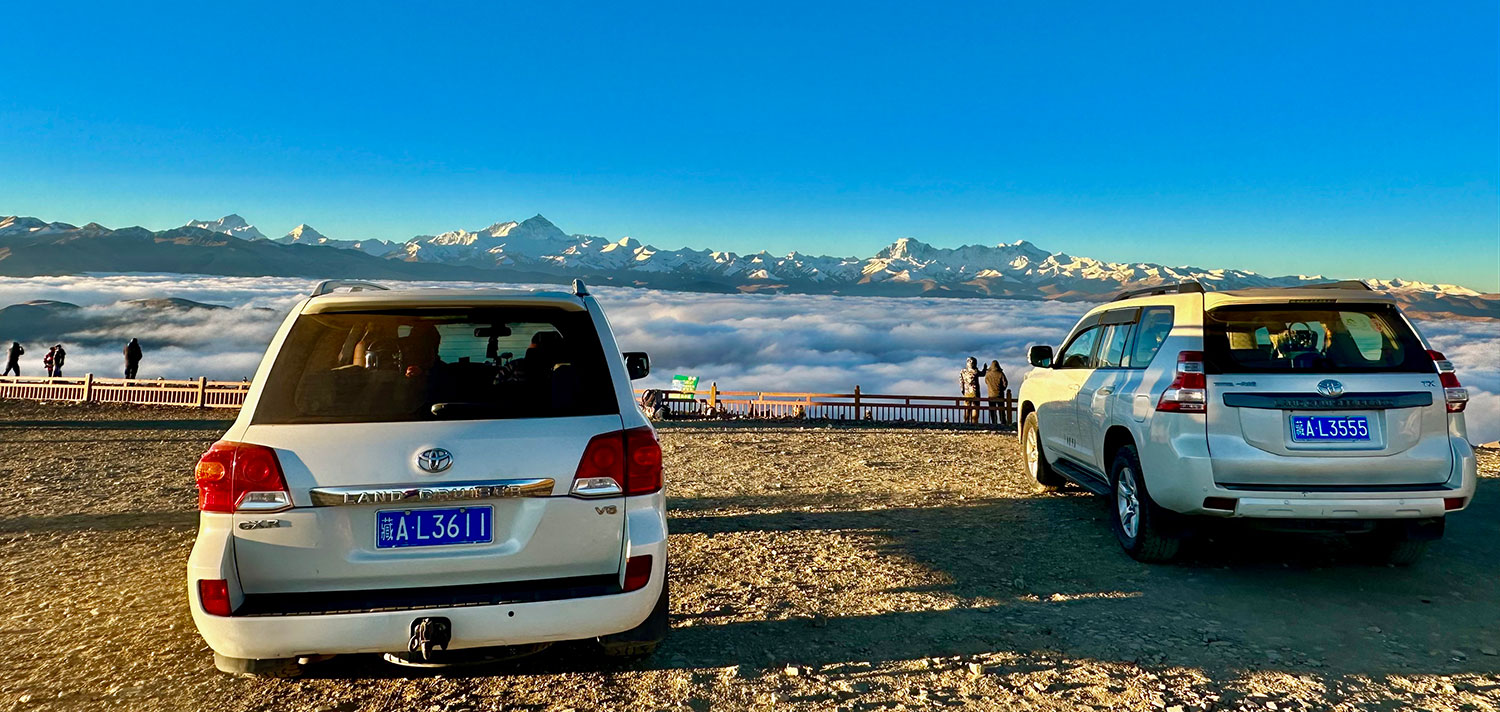
A: Yes, it is possible to witness the sunrise with Mt. Everest and other mountain ranges from Gawu La Pass, even if you are staying in Shegar
A: Yes, only 3 flights per week as of now (Updated: 5th April 2024). But you have a option via Chengdu from/to Kathmandu for the Tibet tour.
A: It is best to exchange your currencies for local ones at the airport. The exchange rates might quite fluctuate quite a bit outside here. US dollars are the easiest and cheapest to exchange here. ATMs are available in the major cities and you’ll not have to go far to find one. You can ask your guide for the itinerary schedule and manage cash according to it. The rates might vary from banks but most will accept your international card anyway.
A: Yes, both Tibet and Bhutan are amongst the safest countries for travelers to be. Solo or female travelers have nothing to worry about while traveling as they are properly assigned to a group. There are enough help posts for your assistance and the people, in general, are much friendlier and helpful. As both these destinations are religious and traditional, you can feel welcomed and safe as long as you travel responsibly.
A: Payment or deposit can be made through bank transfer or by card or in cash. Please choose the option that is most convenient for you.
Option 1: Shegar
A locally rated 3-star hotel with attached bathrooms and room heaters. It offers more comfortable facilities. The hotel is located approximately 90 km (about 2 hours’ drive) before the Rongbuk Monastery/Everest Base Camp (EBC).
If you choose this option, you can still catch the sunrise view over the eastern side of Mt. Everest from Guwa La Pass while driving to Rongbuk. However, this requires an early morning departure at around 4:30 AM. If you prefer to start later (or after breakfast), you have to skip the sunrise. After visiting Rongbuk Monastery and walking around EBC, you will continue the drive to Shigatse/Gyirung.
Option 2: Rongbuk/EBC (Tent House or Guesthouse)
Basic accommodation without attached bathrooms or hot water; toilets are located outside. Facilities here are very simple and minimal.
By staying here, you can experience both the sunset and sunrise views of Mt. Everest’s northern face directly from the area. After sunrise and exploration, you will drive to Shigatse/Gyirung.
My recommendation is to stay in Shegar (Option 1) for better comfort, especially considering the cold weather and 5,000m elevation at Rongbuk. However, if witnessing both sunset and sunrise at Rongbuk is a priority for you, you will need to accept very basic lodging conditions.
No. Tickets for trains traveling to Lhasa from mainland China can be difficult to secure, particularly for soft sleeper berths.
Xi’an and Chengdu can be especially challenging because there are fewer services and many passengers compete for the limited sleeper berths. Xining has more Lhasa train options, so there may be more availability overall, but two lower soft-sleeper berths in the same cabin still cannot be guaranteed.
| Route | General availability | Two lower berths in same cabin |
| Xi’an → Lhasa | Difficult | Very difficult |
| Chengdu → Lhasa | Difficult | Very difficult |
| Xining → Lhasa | More train options | Not guaranteed |
| Lanzhou → Lhasa | More options | Not guaranteed |
The important distinction is that getting a ticket to Lhasa and getting two lower soft-sleeper berths in the same cabin are two different things.
The trains do not originate in Xi’an. They travel from an earlier station and make several stops before reaching Xi’an.
Passengers boarding at earlier stations may already occupy many of the sleeper berths. Therefore, only a limited number of berths may remain available for passengers boarding at Xi’an.
This is why the available tickets from Xi’an may sometimes be:
A soft sleeper cabin has 4 berths:
The cabin is enclosed with a door and is separate from the main train corridor.
A hard sleeper is a different, more open sleeping arrangement with more berths in each compartment.
For senior travelers, soft sleeper is generally the preferred option because it provides more privacy.
An exclusive cabin for two passengers cannot be guaranteed.
A standard soft sleeper cabin has four berths, and the railway system allocates the berths according to availability. Even if four tickets are purchased, the railway system cannot guarantee that all four berths will be assigned to the same cabin.
It is technically possible to purchase four tickets, but this is not a reliable way to secure a private cabin.
There are two problems:
Therefore, purchasing four tickets does not guarantee an exclusive cabin for two travelers.
We can request preferred berths, but the final allocation depends on railway availability.
For a senior couple, our priority request is:
Two lower berths → same cabin → same carriage
However, none of these specific berth arrangements can be guaranteed until the tickets are actually issued.
No.
Two lower berths in the same cabin are particularly difficult to obtain. We can request them and continue monitoring the railway system for cancellations or newly available berths, but the final allocation depends on availability.
We can request a preferred berth, but a specific berth number cannot be guaranteed.
The railway system ultimately determines the berth allocation based on the available inventory.
The current quoted price is approximately:
RMB 1,305 per person × 2 = RMB 2,610 for two passengers, including booking commission.
The quoted price is based on a lower soft-sleeper berth. Upper berths are generally cheaper.
The actual price and availability should be confirmed when the tickets are issued.
Tickets are generally released through China’s railway booking system around 15 days before departure.
Therefore, even if the trip is planned many months in advance, the actual ticket cannot necessarily be confirmed until the railway booking window opens.
For difficult routes and preferred sleeper arrangements, it is important to check and book as soon as the booking window opens.
The local railway agent advises that the situation may become clearer very close to the departure date, including approximately two days before departure, because cancellations and changes can release additional berths.
The agent will continue monitoring the system and try to change the allocation if better berths become available.
However, this remains subject to availability and cannot be guaranteed.
If two lower berths in the same cabin are unavailable, the railway may allocate:
We can continue trying to improve the allocation if suitable berths become available.
A berth change is subject to availability.
If a suitable lower berth or same-cabin berth becomes available, the local agent can try to change the allocation, but there is no guarantee that a preferred berth will become available.
They may be able to voluntarily exchange berths with another passenger if the other passenger agrees and the conductor permits it.
For a senior couple who receive separate berths, our local team can prepare a Chinese-language note explaining that they would like to stay together.
For example, if another passenger is traveling alone, they may be willing to exchange berths.
However, this is not guaranteed and depends entirely on finding another passenger willing to exchange.
According to our local railway agent, passengers with sleeper tickets normally exchange their tickets with the conductor after boarding and receive a small boarding card. The conductor keeps the original tickets and returns them before the passengers reach their destination.
If a passenger does not claim their sleeper berth after boarding, the conductor may consider the berth unused and potentially reassign it.
According to our local railway agent, the Lhasa service involves a connection/transfer arrangement at Xining.
For the connected service, passengers can transfer within the station, with the connecting train positioned nearby. The transfer is therefore relatively easy.
The exact arrangement should be confirmed from the specific train tickets issued.
For the connected Xi’an–Lhasa service, according to our local agent, passengers do not normally need to leave the station.
The connecting train is positioned nearby, reportedly around 15–20 meters away, making the transfer relatively easy.
This should not be confused with a separately booked Xi’an–Xining bullet train followed by a separate Xining–Lhasa train, which requires passengers to get off the first train and locate the second train.
The local railway agent advises that the sleeper arrangement is coordinated for the connected service, making the transfer easier.
However, the final train number, carriage and berth details should always be checked on the actual tickets issued rather than assumed in advance.
Xining has more Lhasa train services, so there can be more ticket options overall.
However, this does not mean that the preferred arrangement will be available. According to our current information, Xining can also have limited soft-sleeper availability, including situations where only upper berths or berths in different cabins are available.
Therefore, Xining is a possible alternative, but it does not guarantee two lower berths in the same cabin.
Yes. This can be considered as a backup option if a suitable Xi’an–Lhasa ticket cannot be obtained.
For example, a separate itinerary could involve:
However, this is a separate train connection. Passengers must get off the Xi’an–Xining train and locate and board the Lhasa train at Xining.
This is different from the connected Xi’an–Lhasa service, where the local agent advises that the transfer at Xining is relatively easy.
It is possible to request them, but they cannot be guaranteed.
In fact, our current information indicates that Xining–Lhasa soft sleeper availability can also be difficult, with upper berths or berths in different cabins sometimes being the only available options.
Therefore, changing the starting point to Xining does not automatically solve the problem.
Possible alternatives include:
For senior travelers, we recommend deciding in advance which alternative is acceptable if two lower berths in the same cabin cannot be secured.
Passengers should stay within the railway’s permitted baggage limits and, importantly, be able to manage their own luggage during boarding and any train transfers.
For senior travelers, it is advisable to keep luggage manageable, especially if a separate train connection at Xining is required.
The trains operating to Lhasa are specially equipped for high-altitude travel and have oxygen supply facilities.
However, the availability of oxygen facilities does not eliminate the effects of high altitude. Travelers should still take the altitude into consideration when deciding whether a long train journey is appropriate for them.
The required Tibet travel documents must be arranged before travel. The exact requirements depend on the travel route, transportation arrangement and passengers’ nationality.
The Tibet permit will be prepared according to the confirmed entry route and itinerary.
According to our local railway agent, a transfer at Xining within the railway station does not by itself require a new Tibet permit.
If the transportation plan changes—for example, from a train to a flight or from one train route to another—the Tibet agency should confirm whether any permit information needs to be amended.
The soft sleeper is generally the more comfortable train option because it provides an enclosed 4-berth cabin.
However, the journey is long and involves travel to very high altitude. For senior travelers, comfort, sleep, luggage handling and the availability of suitable lower berths should all be considered when choosing between train and flight.
The train offers the experience of traveling across the Tibetan Plateau and can be an important part of the journey.
However, if two lower soft-sleeper berths in the same cabin are essential, a flight should be kept as a backup because the railway cannot guarantee the preferred sleeper arrangement.
Fill the form below for your interest.
"*" indicates required fields